Joining the Dots 2026

Sponsors

Keynote Speaker

Lilian Greenwood MP

Parliamentary Under-Secretary of State (Minister for Local Transport)

Lilian Greenwood was appointed Parliamentary Under-Secretary of State in the Department for Transport and Junior Lord of the Treasury (Government Whip) on 16 September 2025.

She was previously appointed Vice-Chamberlain of HM Household (Government Whip) between 7 September 2025 and 16 September 2025. She was also Minister for the Future of Roads at the Department for Transport between 9 July 2024 and 7 September 2025.

She was re-elected as the MP for Nottingham South in July 2024, and has represented the constituency since May 2010.

Lilian was Shadow Secretary of State for Transport between 2015 and 2016, also operating as Shadow Rail Minister from 2011 to 2015. Lilian was appointed Opposition Deputy Chief Whip by Sir Keir Starmer in May 2021, occupying the role until 2023 when she was made Shadow Minister for Arts, Heritage, and Civil Society.

Lilian also chaired the Transport Select Committee from July 2017 to January 2020. 


09:30 - 10:00

Registration Open

10:00 - 10:30

Welcome and Keynote from Lillian Greenwood MP

10:30 - 11:40

Delivering a Safe System
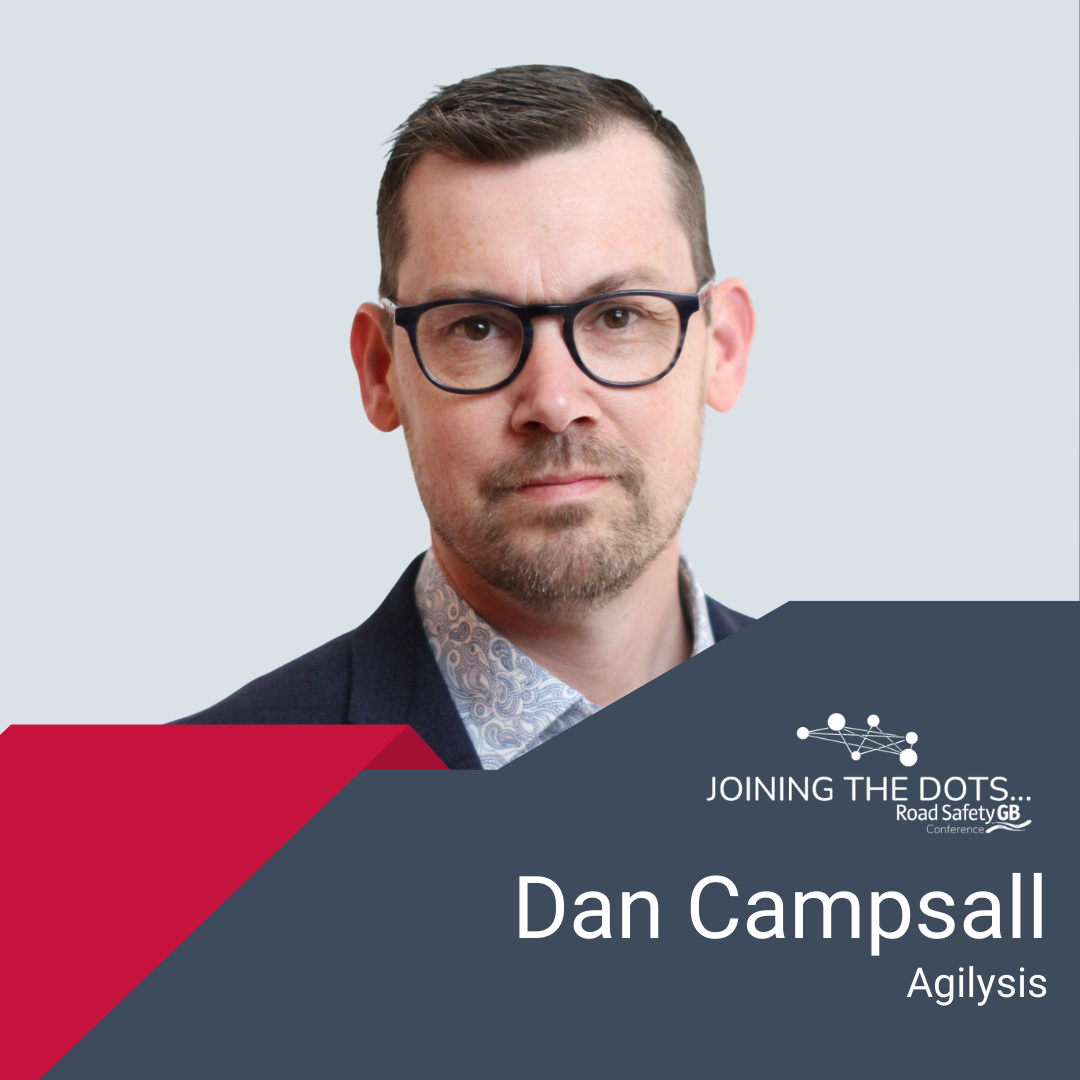
Having dedicated over a decade to road safety, Dan has been involved in leading a number of pioneering and critically acclaimed initiatives such as MAST online, CrashMap.co.uk and Safer Roads Berkshire all of which have gone on to win major awards. Dan also does a good deal of training, public speaking and is often used as a commentator by various media networks. Dan has a background in marketing and communications who has overseen many of RSA’s campaigns; a portfolio of initiatives that embraces everything from car seat safety and child pedestrian training to young drivers and motorcyclists. In addition to his role in Agilysis, Dan is chair of PACTS (www.pacts.org.uk)

Data for Strategy

TBC
Awaiting biography.
TBC
Awaiting Bio.

Vision Zero for Greater Manchester

Greater Manchester formally adopted Vision Zero in November 2024, following an extensive period of development and public engagement. Delivering Vision Zero is a shared responsibility, and the contribution of partners is essential. Safer Roads Greater Manchester plays a central role in driving this collaborative effort. Rhiannon will provide an update on joint working across the partnership, share insights into progress and the challenges encountered so far, and explain how data informs the work of the Fatal Review Panel. She will also outline current reporting processes, including fatal and life-changing injury data, progress against the Vision Zero Action Plan, and Greater Manchester’s safety performance indicators.
Rhiannon has over 20 years’ experience in road safety and has led multiple award winning campaigns and initiatives across the North West. She specialises in partnering with emergency services and supporting families bereaved by road traffic collisions. Rhiannon is currently the Road Danger Reduction Manager for Greater Manchester, where she is responsible for driving forward the implementation of Vision Zero. She holds a degree in Business Management and a Master’s in Professional Practice in Education. Rhiannon is deeply committed to improving public understanding of road danger and influencing behaviour change to prevent deaths and serious injuries on our roads.

11:40 - 12:00

Coffee Break

12:00 - 13:05

Enhanced use of data
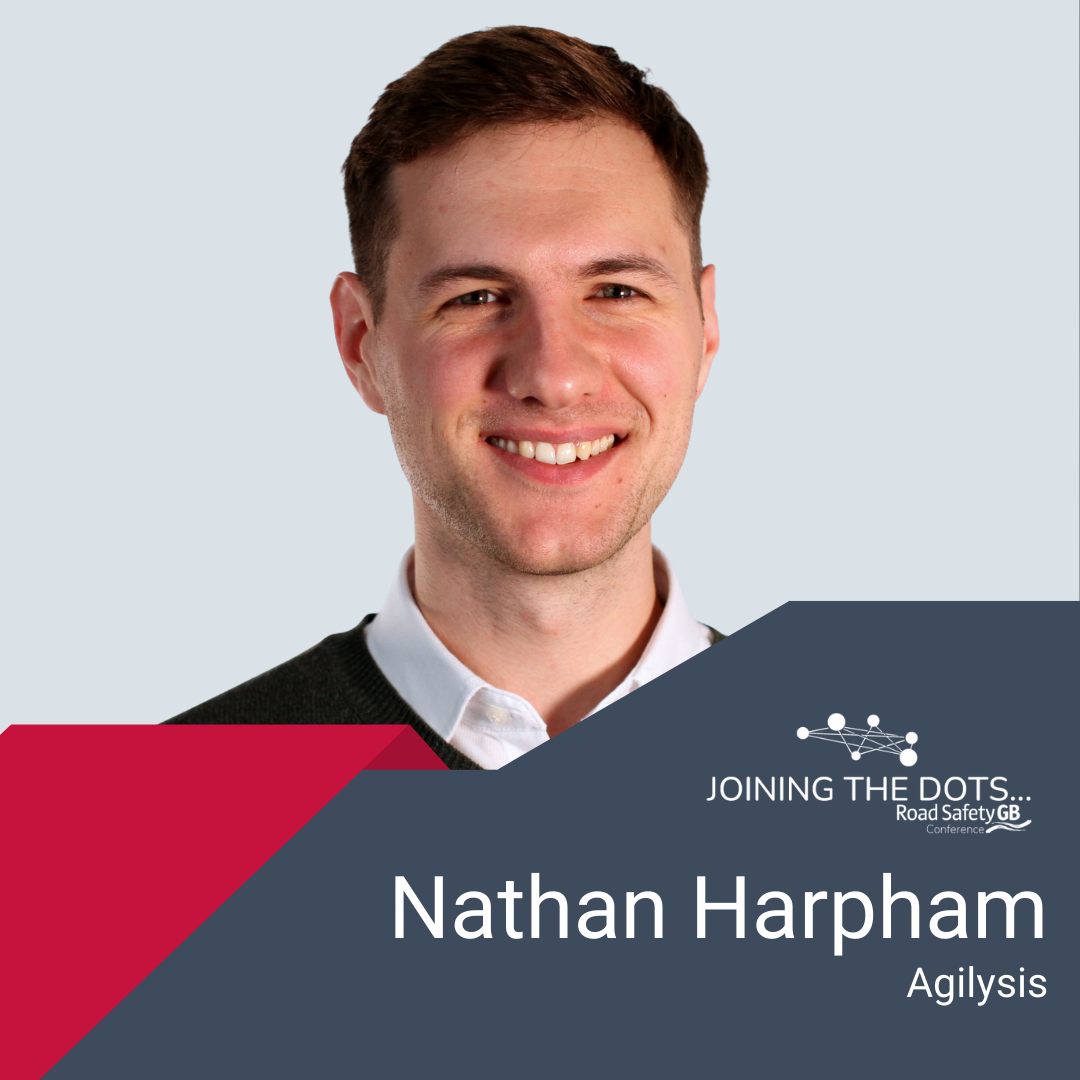
Nathan has been working in road transport consultancy since 2020, focussing on communicating actionable insight from data for clients both in the UK and internationally. He has led and contributed to a wide variety of projects including the multi-million-pound HelmUK project (the UK’s first on-road platooning trials) and the design and implementation of a model simulating the impact of safety measures on KSIs for National Highways’ Roads to Zero Harm project. Nathan has experience of manipulating and analysing a wide range of road transport datasets, including the UK’s STATS19 road collision database, using tools such as SQL, R and Excel. A competent communicator with a background in education, Nathan excels at presenting technical ideas to different audiences. He has a first-class Masters’ Degree in Mathematics from the University of Oxford.

Implications of RSFs for analysts

TBC
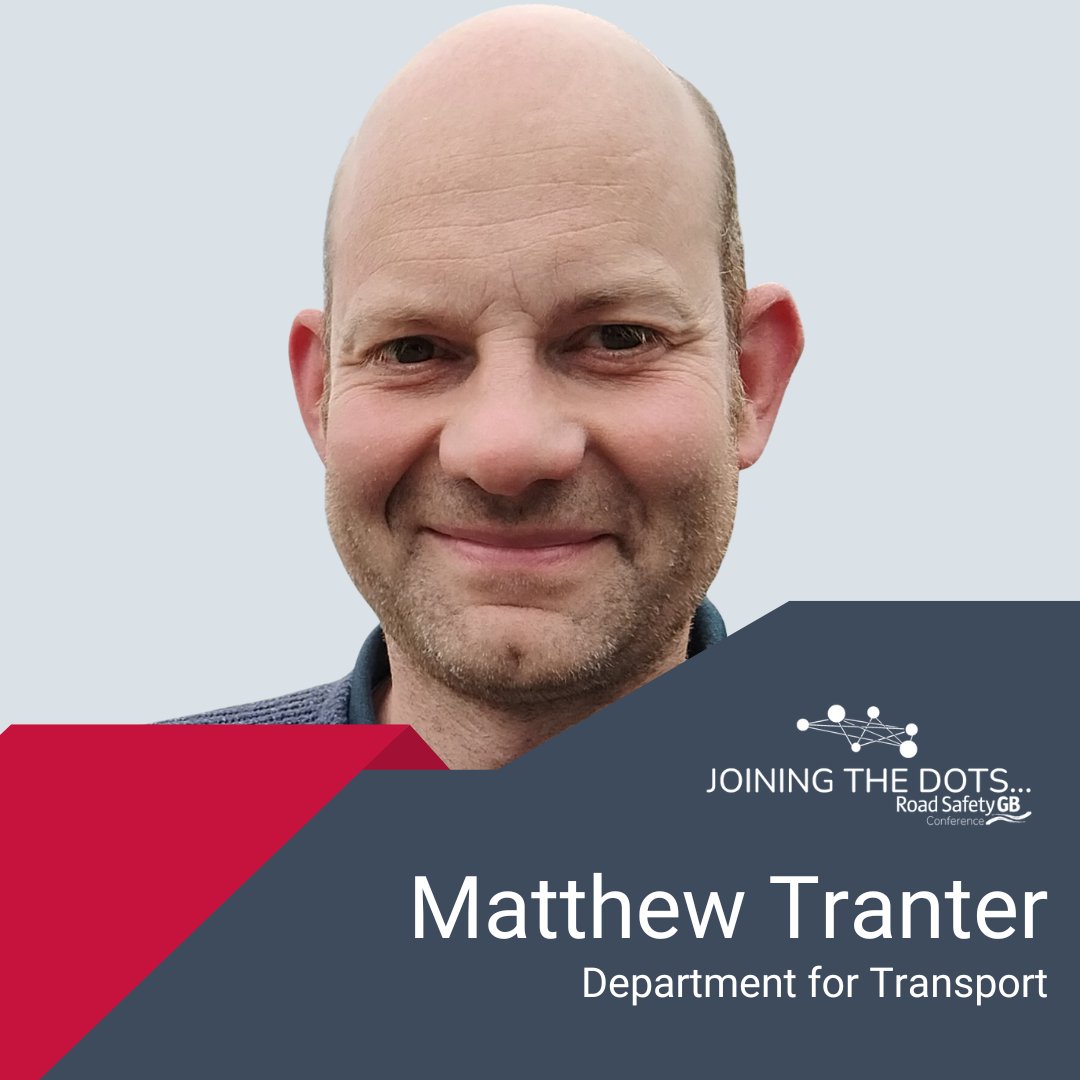
Matthew is a government statistician, and for the last 5 years have led the road safety statistics team at DfT. My team collates road collision data from police forces (via the STATS19 collection) and publishes a range of statistics and data extracts on road safety topics, including the annual Reported Road Casualties GB reports. With the Standing Committee on Road Injury Collision Statistics (SCRICS), we also co-ordinate reviews of STATS19 and resulting updates to the collection. Bruce is an insightful data professional with substantial experience of developing and applying analytical techniques in numerous contexts, Bruce brought these skills into the road safety sphere over 20 years ago. Since his appointment as project manager for the multi award-winning MAST Online project, Bruce has become widely recognised as a leading expert on road casualty data, contributory factor analysis, resident risk, analytical architecture, and enforcement data management. Bruce works closely with organisations such as the UK Department for Transport, National Highways, Transport Scotland, and Transport for London as well as providing consultancy for international projects on data architecture and reporting. Bruce is also a member of the government’s Standing Committee for Road Injury Collision Statistics (SCRICS) in the UK. As well as his substantial technical skill base, Bruce is also an experienced and effective conference speaker and technical trainer.

Data lessons from vehicle inequalities project

The RAC Foundation has been awarded a grant from UK Road Safety Trust to explore the links between deprivation and road safety vehicle technologies. Specifically, how differences in access to certain vehicle technologies based on income and other aspects of societal deprivation may have a bearing on road safety outcomes. To answer this question, RACF/Agilysis were given two years of STATS19 including vehicle registration mark (VRM, sometimes called numberplate) and vehicle identification number (VIN, the manufacturer-issued permanent identifier). The presentation will review the process by which we developed a new MAST instance especially for vehicle characteristics (for “cars”), where we moved from the traditional six vehicle fields (vehicle type, make, model, year of manufacture/registration, fuel type and engine displacement), to about sixty, covering roadworthiness testing, usage, physical characteristics and available safety technologies for each vehicle. This MAST instance will be made available to others in due course. Our work in matching STATS19 cars to government and commercial datasets has revealed a number of useful insights into how data is currently recorded and how it can be best used to augment our understanding of vehicles in crashes. This presentation will: • describe the existing vehicle data landscape; • explain the methods by which we quality-assured the existing data; • show how we designed a unique matching approach that safely cuts data costs by more than 50%; and, • demonstrate some early findings by looking at those STATS19 cars in (or in some cases, not in!) the MOT database.
Dr Ivo Wengraf is Research & Data Manager at the RAC Foundation. His main research interest is in using government and other administrative datasets to better inform national road transport policy discussions. He is or has been involved in a number of projects which join official data sources to produce better insights, including STATS19 to health and to vehicle characteristics, and DVLA to DVSA data to produce a single research-use dataset. He is on the RSGB Champions group, is part of the STATS19 R package authoring group, and was a member of the last STATS19 review panel. Richard has over a decade of road safety management experience in the public and private sector Specialist in data analysis and visualisation An expert in enforcement management and UK road legislation Proven ability to lead large multi-agency partnerships, achieving consensus and progressing the joint aims of diverse agencies. Excellent verbal and written communications skills with substantial experience of working with the media.

Sharing and Using Injury Collision Data within the Lancashire RSP
Sharing and using injury collision data within the Lancashire Road Safety Partnership This presentation will explain how the team in Lancashire has automated the transfer of STATS19 (21) collision data into a Power-bi Dashboard for analysis to inform road safety interventions across the Partnership and to further explain the value of the 'Fatal and Serious Injury Collision Data Subgroup', where causation and road safety factors are discussed.
Tony is the Road Safety Manager for Lancashire County Council, he leads teams in Education and Engagement, Speed Assessment and School Crossing Patrol. Tony is Chair of the Delivery Group of the Lancashire Road Safety Partnership. Previously, Tony was a Strategic Manager with Lancashire Fire and Rescue Service, leading their Corporate Intelligence and Emergency Planning departments. He was additionally; the National Fire Chief Councils Lead Officer for Road Safety. Tony is a Trustee for TyreSafe. Over the years Tony has presented at numerous road safety conferences and has championed safer roads for all.

KCC Crash Remedial Programme

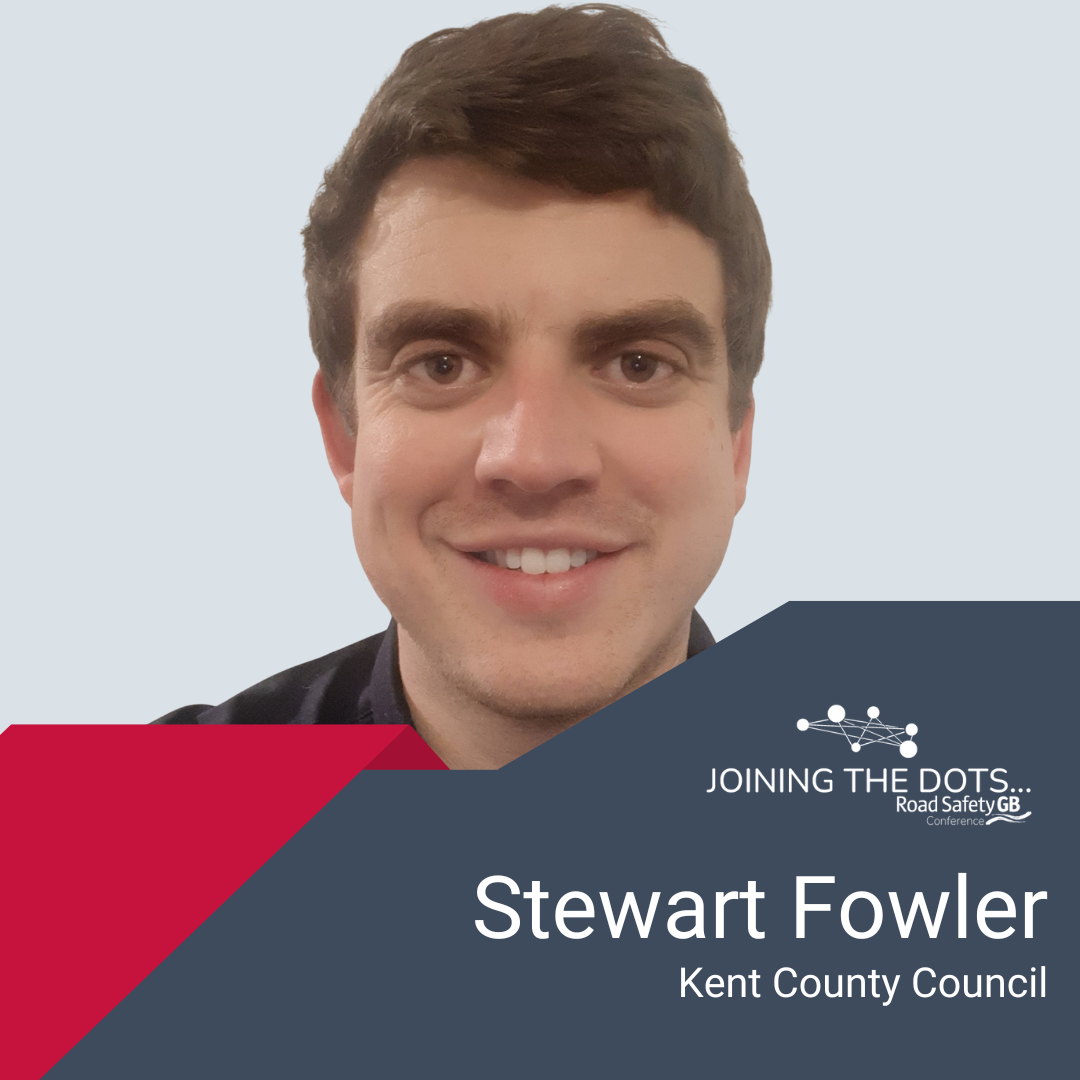
Road safety management and crash programmes are dependent on collision data to target remedial action. However, this means a collision and potential fatality have to occur in order for data to be collected about road safety risk at a location, making it a reactive approach. Near-miss data from Connected Vehicles (CVs) provides a proactive approach, identifying harsh braking and swerving events where a collision could have occurred. Kent County Council (KCC) incorporated near-miss data into their own Crash Remedial Programme (CRM), focusing on locations with average speeds above survivability thresholds and with high near-miss to total trip ratios. The results led KCC to 16 new locations of interest, with 13 sites deemed credible locations for potential mitigation. Currently, KCC have actioned intervention schemes at two of these sites - Military Road and the A262 Biddenden. The completed before-and-after analysis on Military Road using CV data has evidenced an improvement in driver behaviour and a reduction in near-miss events, demonstrating the beneficial outcome when near-miss data is acted on. This study shows that by integrating new data sources into Crash Remedial Programmes, authorities can identify high-risk locations across the network that otherwise would have been missed through reactive analysis of collision data alone.
Stewart has been working in road safety at Kent County Council for a decade. Beginning his career as an analyst, he has overseen and developed the authorities Crash Remedial Programme and has lead on providing insight and monitoring across the council’s Road Safety and Active Travel teams. Stewart now leads Kent’s Road Safety Intelligence team who champion the use of data, analysis and new technologies in supporting road safety delivery and safe system implementation.

A Novel visualisation of STATS19 vehicle-level collision data

A Novel visualisation of STATS19 vehicle-level collision data This analysis presents a novel approach to visualising vehicle-level collision information from STATS19 data. This is particularly useful when reviewing the changing nature of collisions before and after localised network developments. The approach produces a dashboard of charts, which makes explicit use of vehicle direction data to define collision types, as well as presenting KSIs, manoeuvres and contributory factor information. The accompanying map clarifies and compares collision distribution and densities before and after construction, as well as presenting locations and directions of involved vehicles. A practical example is given via analysis on Hamburger roundabouts. Hamburger roundabouts are locations where a road cuts through the middle of a roundabout. Hamburgers are seen as a value for money option for managing traffic capacity. However, since their introduction at some sites, safety concerns have been raised relating to changes in layouts, location of new signals, and an increase in direction choice for drivers. Sample sizes are too small to make generalised comments on the safety record of Hamburger roundabouts, but there is evidence to suggest that some roundabouts have seen a reduction in collisions, while others have seen a rise in collisions. A series of in-depth workshops is planned to better understand the historical context and current circumstances at these sites.
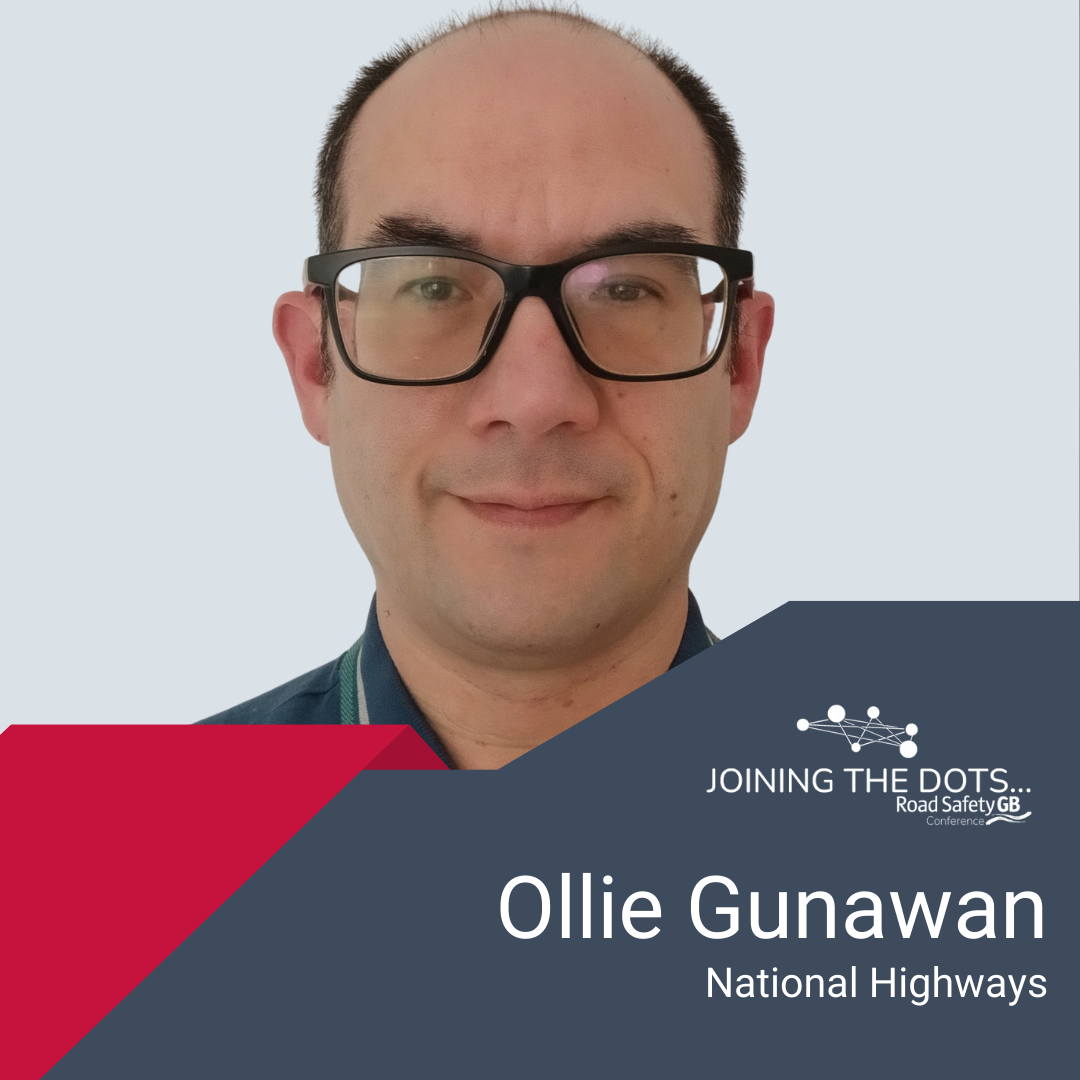
Dr Ollie Gunawan is a Senior Operational Research Analyst at National Highways. He has a background in spatial data analysis and has recently completed work exploring the relationships between flooding and collisions on the strategic road network, prioritising intervention sites for suicide prevention, and performance monitoring of safety-related schemes.

13:05 - 14:00

Lunch

14:00 - 15:00

Panel: Road Safety Strategy, What about the analysts?
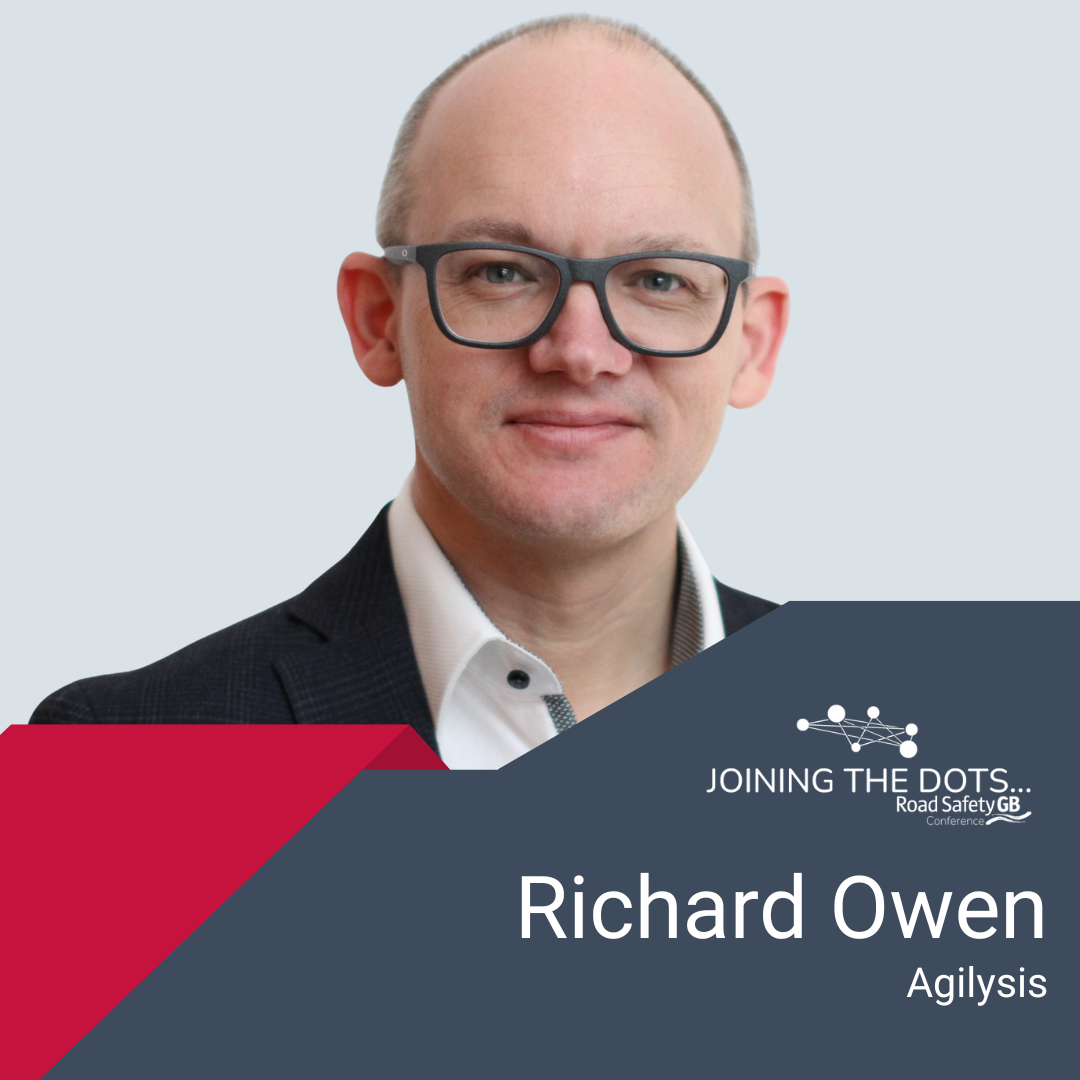
Richard has over a decade of road safety management experience in the public and private sector Specialist in data analysis and visualisation An expert in enforcement management and UK road legislation Proven ability to lead large multi-agency partnerships, achieving consensus and progressing the joint aims of diverse agencies. Excellent verbal and written communications skills with substantial experience of working with the media.

15:00 - 15:15

Coffee Break

15:15 - 16:20

Enhanced Analysis
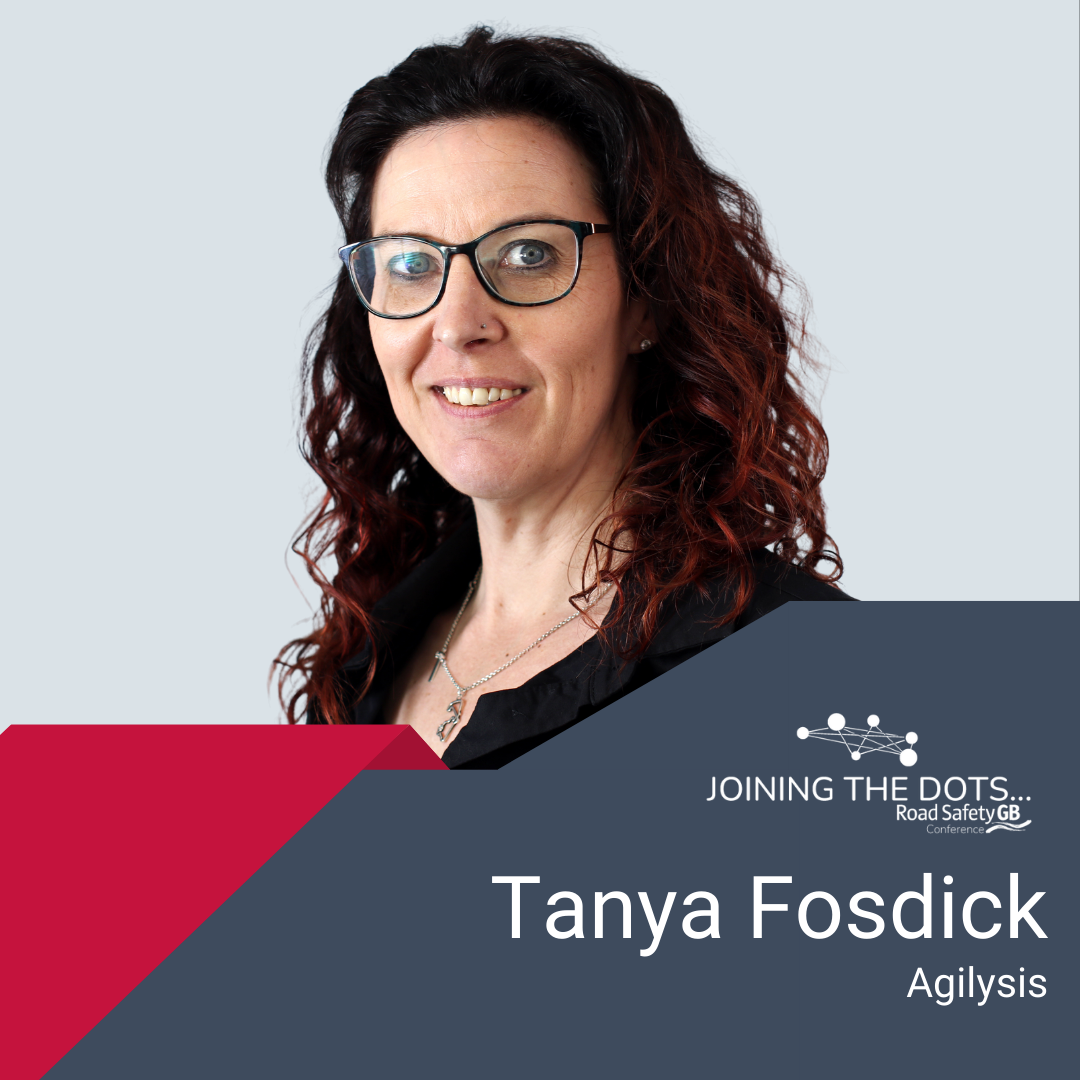
Tanya has a background in research, working in road safety analysis for the last twelve years. Specialises in the provision of in-depth research, data management and evaluation design and implementation. Advises on the incorporation of appropriate behaviour change models and behaviour change techniques in intervention design. Outstanding communication skills, demonstrated through the production of high-quality written reports; paper presentations; and training delivery. Has been involved in a number of high profile projects including E-Valu-It; research into rural young drivers and adult pedestrians; and evaluation of a variety of local and national road safety schemes, including multiple young driver campaigns, a longitudinal study of national BikeSafe, and a large scale evaluation of IAM Roadsmart.

Mapping the Road to Zero Harm: Strengthening the Evidence Base for Strategic Safety Forecasting

National Highways’ "Road to Zero Harm" (RTZH) is an exciting and ambitious road safety initiative we’re championing to realise our vision, that no-one should be killed or seriously injured on the strategic road network. Underpinning this work is a model used to forecast safety outcomes and inform long-term investment. However, for this model to be as reliable as reasonably possible, its underlying evidence base must be up-to-date and reflect modern vehicle technology, infrastructure performance, and human behaviour. This presentation will provide insights into the research program currently strengthening the RTZH evidence base. The presentation explores how National Highways is "joining the dots" between diverse data sources—from telematics and collision analysis to behavioural science—to move beyond idealized assumptions. Key highlights include: • Vehicle Tech: Forecasting the real-world impact of General Safety Regulation (GSR) technologies on the strategic road network. • Infrastructure: Addressing evidence gaps in A-road treatments and pioneering a new shunt-collision module for the iRAP model. • Behaviour: Updating effectiveness estimates for safety campaigns to reflect contemporary communication dynamics. By integrating applied statistics and psychology, this research ensures that our roadmap will be driven by a statistically grounded understanding of risk. Attendees will gain insights into how National Highways is using research to improve the accuracy of safety forecasting, ensuring every intervention is a measurable step toward a zero-harm future.
Victoria Pyta is Principal Policy Advisor for Road Safety at National Highways, where she leads the development of the evidence-based "Road to Zero Harm" initiative. With 20 years of international experience spanning ARRB, TRL and the Victorian Department of Transport, Victoria specializes in bridging the gap between research and operational policy. Holding a Master’s in Applied Statistics and an Honours degree in psychology, she applies data-driven behavioral insights across all Safe System pillars. At Joining the Dots, she will share an overview of the research underpinning National Highways' strategic roadmap toward achieving zero fatalities and serious injury on the Strategic Road Network.

Road Safety Data Analytics: Prediction and Evaluation

Newcastle University Statistics of Road safety Group (NUSRG) have developed a software tool to enable road safety practitioners to better make data-informed decisions around safety countermeasure deployment and evaluation using cutting-edge techniques. In this presentation we will demonstrate the tool, describe the underpinning methods and give summaries of past and ongoing collaborations with road safety practitioners across the UK, including road safety partnerships in Cumbria, North Yorkshire and Gateshead; and internationally with Departments for Transport in Lisbon and New York, as well as commercially with PTV Group in Germany and LOGIT in Portugal. The aim of this presentation is to raise awareness of our work among practitioners in the hope of starting new collaborations with organisations that can use our methods to support their road safety decision making.
Lee is a Reader in Applied Statistics in the School of Mathematics, Statistics and Physics at Newcastle University, with research interests in statistical methods for road safety data analytics and prediction of environmental extremes. Lee has 20 years’ experience working with road safety practitioners in the UK, Europe, the US and Latin America, mainly in the area of road safety scheme evaluation of predictive analytics.

Harsh Braking: The canary in the coal mine

Harsh Braking: The canary in the coal mine, explores the role of harsh braking data as a factor in road safety. The current development of harsh braking data is explored, along with the practical application of harsh braking. A major flaw in harsh braking datasets is presented, along with its solution.
Dr. Peter Sanders is a researcher and product analyst focussing on the intersection between road safety and highway asset management. Peter’s 15 years of experience as a principal researcher, and subsequent publication of his PhD thesis, lead him to the following conclusion. That to fully understand road safety, we must understand the experience of vehicles. Peter’s work at NIRA Dynamics is focussed on the use of connected vehicle data in the road safety domain.

Devon & Cornwall – Mobile Phone & Seatbelt Solution

From 2022, Vision Zero South West (VZSW), with Devon and Cornwall Police has run a project to tackle distracted driving (hand-held mobile phone use) and seatbelt misuse, as part of their ultimate goal to eliminate serious injuries and deaths by 2040. The project is notable for being the UK's first long-term operational use of Acusensus 'Heads-Up' AI technology. The system uses advanced cameras to flag potential offences, which are then verified by human reviewers before being submitted to the police for prosecution or educational diversion course. The project successfully demonstrated significant, sustained behaviour change. Year-on-year data (2023-2025) from the same site showed a dramatic reduction in misuse: • Seatbelt Offences: Reduced by 83%. • Mobile Phone Offences: Reduced by 80%. In addition, data showed immediate short-term behaviour improvements, with a 50% decrease in seatbelt detections and a 33% decrease in mobile phone detections at three locations during one month. Over 12,000 detections have now been made using this innovative technology, with the police actively enforcing both of these dangerous driving behaviours. The award winning project has also achieved a very high level of public understanding and acceptance, due to extensive publicity and clear communications, which all stakeholders believe is vital to the strategy's effectiveness.
Geoff is the General Manager for Acusensus UK, delivering the award winning ‘Heads-Up’ distracted driving solution. Developed in Australia, the system has been widely used operationally across the UK, leading to thousands of seatbelt and mobile phone prosecutions – whilst delivering measurable improvements to driver behaviours. Through two decades of enforcement system experience, he has been involved in the implementation and monitoring of over 500 projects, giving an unrivalled understanding of the factors behind the successful operation of innovative enforcement projects, including a number of award-winning schemes. Geoff is a Chartered Engineer and Chair of ITS UK’s Enforcement Forum.

16:20 - 16:30

Closing Remarks

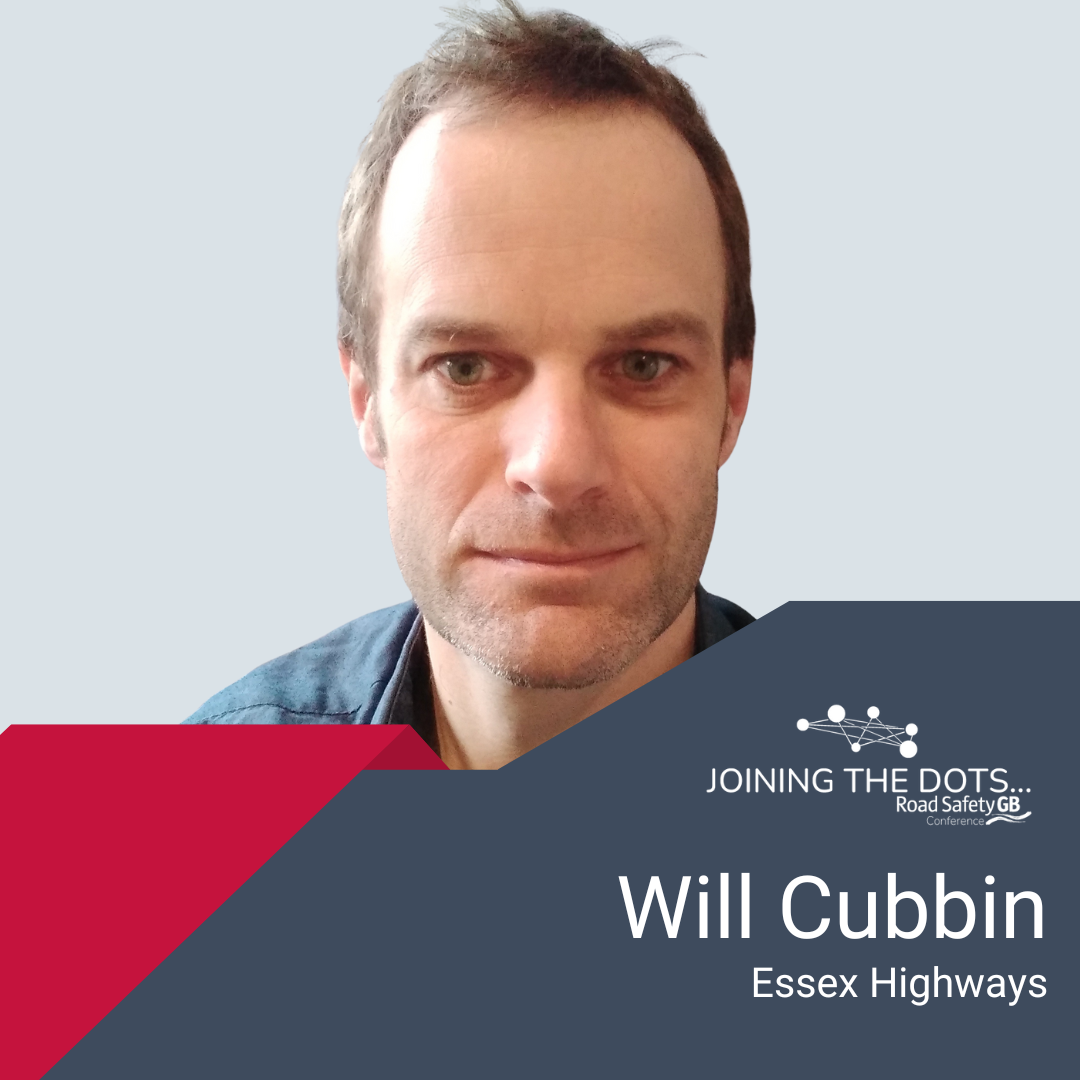
Will began his career as an intelligence analyst with Essex Police, followed by a brief stint working in social care. In 2014 he joined the Safer Essex Roads Partnership (SERP) as their Strategy Analyst, working as part of the Essex Highways team. In 2022 he became the SERP Partnership Manager and also took on the voluntary position of Research Director for RSGB. Will enjoys riding bicycles and is undertaking a part time PhD with Anglia Ruskin University examining the on-road relationship between drivers and cyclists.

View Previous conferences